
- hy218@huiyuansj.cn
- WhatsApp: +86 15162372874
- Mon - Sat 8:00-20:00

In modern visual communication and advertising systems, plastic sign board material has become one of the most widely used substrates due to its durability, versatility, and cost efficiency. From retail signage and exhibition displays to industrial warning boards and outdoor advertising panels, this material plays a critical role in delivering clear and long-lasting visual messaging.
The demand for plastic sign board material continues to grow as businesses shift toward lightweight, weather-resistant, and customizable signage solutions. Compared with traditional wood, metal, or paper-based boards, plastic-based signage offers superior performance in harsh environments while maintaining excellent print compatibility and fabrication flexibility.
This article provides a comprehensive overview of plastic sign board material, including its types, properties, manufacturing processes, applications, and selection guidelines for different industries.
Plastic sign board material refers to a category of synthetic polymer sheets or panels designed specifically for signage applications. These materials are engineered to provide:
Common polymer bases include polypropylene (PP), polyvinyl chloride (PVC), polyethylene (PE), and acrylic (PMMA). Each variant of plastic sign board material offers distinct physical and optical properties depending on its formulation and manufacturing process.
PVC is one of the most widely used forms of plastic sign board material. It is known for its rigidity, chemical resistance, and excellent printability.
Key features:
Applications include indoor advertising boards, directional signs, and exhibition panels.
Polypropylene corrugated sheets are lightweight and flexible, making them a cost-effective plastic sign board material for temporary signage.
Key features:
These are widely used in election signage, real estate boards, and temporary promotional displays.
Acrylic is a premium plastic sign board material known for its glass-like clarity and aesthetic appeal.
Key features:
It is commonly used in retail branding, illuminated signage, and corporate identity displays.
Polycarbonate-based plastic sign board material is engineered for high-impact applications.
Key features:
It is frequently used in safety signage, industrial warning boards, and transportation systems.
Foam PVC is a lightweight version of rigid PVC and is widely used in advertising production as a versatile plastic sign board material.
Key features:
It is commonly used in indoor displays, promotional boards, and exhibition graphics.
The production of plastic sign board material involves several key stages depending on the polymer type and intended application.
Polymer resins are mixed with stabilizers, UV absorbers, foaming agents, and color pigments to achieve specific performance characteristics.
The compounded material is processed through extrusion lines or molding systems to form sheets or corrugated structures.
The extruded sheet is cooled using calibrated rollers or air cooling systems to maintain uniform thickness and structural integrity.
Corona treatment or coating processes are applied to enhance ink adhesion, ensuring high-quality printing performance on the plastic sign board material surface.
Sheets are cut into standard sizes or customized dimensions based on application requirements.
The widespread adoption of plastic sign board material is driven by its superior technical advantages compared with traditional signage substrates.
Plastic-based boards resist moisture, rain, UV radiation, and temperature fluctuations, making them ideal for outdoor applications.
Even high-strength variants remain significantly lighter than metal or wood, reducing transportation and installation costs.
The material supports:
Many industrial environments require signage that can withstand exposure to chemicals, oils, and cleaning agents.
Compared with metal or composite signage, plastic sign board material provides a more economical solution without compromising performance.

Retail stores, shopping malls, and exhibitions rely heavily on corrugated sign board material for promotional displays, posters, and branding boards.
Factories and construction sites use durable plastic boards for hazard warnings, operational instructions, and compliance signage.
Airports, subway stations, and bus terminals use high-visibility signage made from robust plastic materials.
Temporary boards used in property sales, political campaigns, and outdoor advertising commonly utilize lightweight corrugated plastic sheets.
Companies use acrylic and PVC-based boards for reception signs, office directories, and brand identity installations.
Selecting the correct plastic sign board material requires evaluating multiple technical and environmental factors.
Long-term installations require UV-resistant and weatherproof materials.
Different substrates are compatible with different printing technologies:
High-impact environments require reinforced materials such as polycarbonate.
Cost-effective solutions typically include corrugated polypropylene or standard PVC sheets.
The signage industry is evolving rapidly, and corrugated sign board material is also undergoing technological advancements.
Recyclable and biodegradable plastics are becoming more popular as sustainability regulations tighten globally.
Future signage systems may incorporate LED modules, sensors, and digital displays integrated with plastic substrates.
Anti-scratch, anti-graffiti, and self-cleaning coatings are improving product lifespan and maintenance efficiency.
New polymer blends are reducing material density while improving mechanical strength.
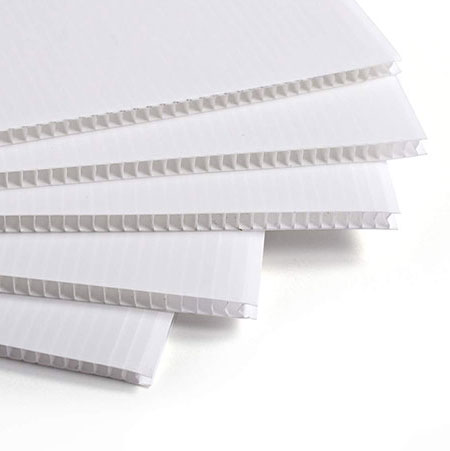
Plastic sign board material has established itself as a fundamental component in modern signage and visual communication systems. Its adaptability, durability, and cost efficiency make it suitable for a wide range of industries, from retail advertising to industrial safety applications.
As technology advances, corrugated sign board material will continue to evolve toward higher performance, greater sustainability, and broader application scenarios, reinforcing its importance in global signage infrastructure.
