

Hard plastic sheets, often referred to as acrylic or polycarbonate sheets, are widely used across various industries for applications ranging from signage and displays to protective barriers and construction materials. Among the most common sizes, 4×8 hard plastic sheets stand out as a standard option due to their size, versatility, and ease of handling. But how do these sheets compare with other materials such as wood, metal, and glass? In this article, we’ll explore the benefits, drawbacks, and specific uses of hard plastic sheets 4×8 in comparison to other materials.

1. What Are Hard Plastic Sheets 4×8?
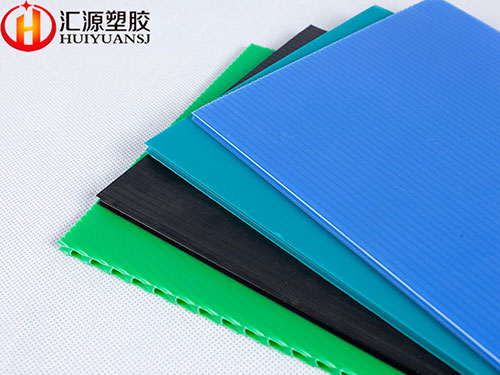
Hard plastic sheets are manufactured from various polymers, most commonly acrylic (PMMA), polycarbonate (PC), and high-impact polystyrene (HIPS). These sheets come in various sizes, with 4×8 feet being the most popular dimension for both commercial and residential use.
Acrylic sheets, often known as Plexiglass, are highly transparent, durable, and lightweight. Polycarbonate sheets are more impact-resistant, making them a top choice for applications requiring high strength. High-impact polystyrene, while not as strong or transparent, is an affordable option for certain indoor uses.
The 4×8 size refers to the sheet’s dimensions: four feet in width and eight feet in length, which makes it a convenient size for many applications, reducing the need for multiple cuts or seams.

2. Benefits of Hard Plastic Sheets 4×8
Before comparing hard plastic sheets to other materials, let’s explore the specific advantages of hard plastic sheets 4×8:
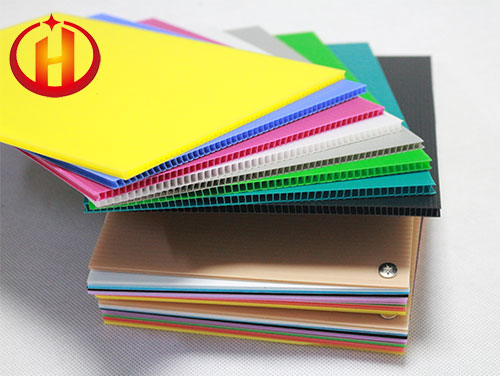
- Versatility: Available in various finishes, including clear, frosted, and colored, hard plastic sheets can be customized for a wide range of projects.
- Lightweight: Hard plastic sheets are much lighter than glass or metal, making them easier to handle and install.
- Impact Resistance: Especially in the case of polycarbonate, hard plastic sheets offer superior impact resistance compared to glass or acrylic, making them safer and more durable for applications like safety barriers or window replacements.
- Cost-Effective: When compared to metals or glass, hard plastic sheets are generally more affordable, making them an attractive option for large projects that require a significant number of sheets.
3. Hard Plastic Sheets 4×8 vs. Wood
Wood has been a staple construction material for centuries, known for its strength, ease of use, and natural aesthetic. However, in comparison to hard plastic sheets 4×8, there are some key differences:
- Weight: Wood is significantly heavier than hard plastic sheets, making it more challenging to handle and transport. While a 4×8 sheet of plywood can weigh up to 60 pounds, a 4×8 acrylic or polycarbonate sheet weighs less than half that.
- Durability: Wood can be prone to cracking, warping, or rotting, especially in high-moisture environments. Hard plastic sheets, on the other hand, are resistant to weather, moisture, and UV degradation, making them more durable for outdoor applications.
- Maintenance: Wood requires regular maintenance, including sealing or staining to prevent damage. Hard plastic sheets require minimal upkeep, often just cleaning to maintain their appearance.
4. Hard Plastic Sheets 4×8 vs. Metal
Metals like aluminum and steel are often used in construction and manufacturing due to their strength and durability. However, there are several factors where hard plastic sheets 4×8 might be more beneficial:
- Weight: Metals are much heavier than hard plastic sheets. A 4×8 sheet of steel can weigh hundreds of pounds, while a polycarbonate or acrylic sheet weighs significantly less, making it easier to handle and install.
- Corrosion Resistance: Hard plastic sheets are resistant to corrosion, unlike metals that can rust or corrode over time, especially when exposed to moisture. This makes plastic a better choice in humid or outdoor environments.
- Cost: While metals like aluminum can be quite affordable, the initial cost of hard plastic sheets is often lower, and the reduced weight can save on shipping and installation costs.
- Formability: Hard plastic sheets are easier to cut and shape compared to metals. While metal fabrication requires special equipment, hard plastic can be easily cut with standard tools, making it more user-friendly for DIY projects.
- Applications: Metals are still preferred in structural applications where strength is a top priority, such as in industrial manufacturing or heavy-duty construction. Hard plastic sheets are ideal for lighter applications such as interior partitions, protective covers, or signage.
5. Hard Plastic Sheets 4×8 vs. Glass
Glass is often chosen for its clarity and smooth finish, making it ideal for windows, doors, and display cases. However, there are several reasons why hard plastic sheets 4×8 might be a better option than glass:
- Shatter Resistance: Glass can break or shatter easily under impact, posing safety hazards. Hard plastic sheets, especially polycarbonate, are virtually unbreakable and offer a higher level of safety, particularly in high-traffic or hazardous areas.
- Weight: Glass is significantly heavier than hard plastic, making it more difficult to handle and transport. A 4×8 sheet of glass can weigh over 100 pounds, while a polycarbonate sheet weighs much less.
- UV Resistance: While glass can degrade under prolonged exposure to UV rays, hard plastic sheets, especially acrylic and polycarbonate, can be manufactured with UV-resistant properties, ensuring they retain their clarity and durability over time.
- Cost: Glass is often more expensive than acrylic or polycarbonate sheets, especially when considering shipping and installation costs. In large-scale projects, the cost savings from using hard plastic sheets can be substantial.
6. Comparing Specific Uses
When comparing hard plastic sheets 4×8 with other materials, it’s important to consider the specific applications:
- Signage: Acrylic sheets are commonly used in signage because of their clarity and ability to be easily cut into various shapes. While metal signs are durable, they are more expensive and harder to fabricate than acrylic.
- Safety Barriers: Polycarbonate, known for its high impact resistance, is often used for safety barriers and protective covers. Glass is a poor choice due to its shattering risk, while wood and metal are typically too heavy or unsuitable for such applications.
- Display Cases: Glass is traditionally used for display cases, but hard plastic sheets offer a more durable, lightweight, and cost-effective alternative that can be customized more easily.

Conclusion
Hard plastic sheets 4×8 offer a range of advantages over traditional materials such as wood, metal, and glass. Their versatility, lightweight nature, impact resistance, and cost-effectiveness make them a popular choice across numerous industries. While wood, metal, and glass each have their own strengths, hard plastic sheets 4×8 provide unique benefits that make them ideal for applications like signage, protective barriers, and display cases. When considering materials for your next project, it’s essential to weigh these factors carefully to choose the material that best suits your needs.