
- hy218@huiyuansj.cn
- WhatsApp: +86 15162372874
- Mon - Sat 8:00-20:00
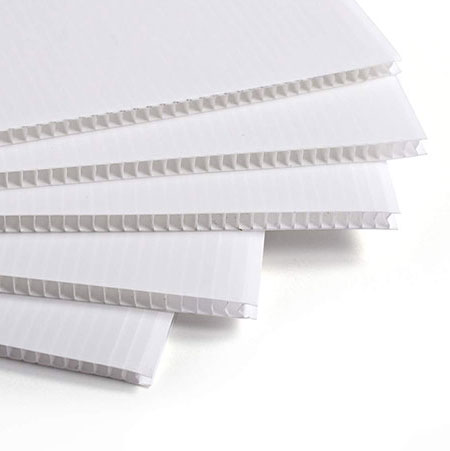
Choosing the right plastic sheet for sign board applications is an important step in producing signs that look professional, remain durable, and perform well in their intended environment. Whether a sign is used for outdoor advertising, retail promotion, construction information, directional guidance, or temporary events, the sheet material affects its strength, appearance, printing quality, weather resistance, and service life.
With many plastic sheet options available, selecting the most suitable material can sometimes be difficult. Different plastics offer different combinations of rigidity, weight, surface finish, impact resistance, and processing performance. Understanding the key factors before purchasing can help you choose a material that matches both the application and budget.
The first step in choosing a plastic sheet for sign board production is to understand where and how the sign will be used. Indoor and outdoor signs often have very different requirements.
Indoor signs may be used in stores, offices, exhibition halls, warehouses, schools, or shopping centers. In these environments, extreme weather resistance may not be essential. Lightweight materials with excellent printability can therefore be a practical choice.
Outdoor signs face more demanding conditions. Rain, sunlight, wind, temperature changes, and accidental impact can affect the performance of the sign. For long-term outdoor applications, it is important to choose a plastic sheet with suitable moisture resistance, UV performance, and mechanical strength.
Temporary signs, such as event signs, real estate boards, campaign displays, and construction notices, may require a different balance between cost and durability. A lightweight and economical sheet can often provide excellent performance when the expected service period is relatively short.
Plastic sign board sheets are available in several material types. Polypropylene is commonly selected for lightweight signage because it offers good impact resistance, moisture resistance, and easy processing. Corrugated polypropylene sheets are particularly useful when low weight and economical transportation are important.
PVC sheets provide a relatively rigid surface and can be suitable for applications where a solid, smooth sign board is required. They can also provide good dimensional stability and are available in different thicknesses.
Polycarbonate offers high impact resistance and is useful when the sign needs to withstand demanding physical conditions. However, its cost may be higher than that of some other plastic materials.
Acrylic is another option when appearance and surface clarity are major priorities. It can provide an attractive finish for retail displays, decorative signs, and premium visual applications.
The best material depends on the balance between durability, appearance, weight, processing requirements, and cost rather than on one property alone.
Thickness directly affects the rigidity and overall performance of a sign. Thin sheets are lightweight and economical, making them suitable for temporary displays, hanging signs, and applications where flexibility is acceptable.
Thicker sheets generally provide greater stiffness and can be more appropriate for larger signs, freestanding displays, or signs that need to maintain a flat shape.
However, choosing the thickest available sheet is not always the best solution. Excessive thickness can increase material costs, transportation expenses, and installation difficulty. The correct thickness should be determined by the dimensions of the sign, mounting method, wind exposure, and expected service conditions.
Printing performance is another important consideration when selecting a plastic sheet for sign board applications. A good sign material should provide a suitable surface for the selected printing or graphic application method.
Depending on the material and surface treatment, plastic sheets can be used with methods such as digital printing, screen printing, vinyl application, and adhesive graphics. A smooth and consistent surface can help produce sharper images, clearer text, and more uniform colors.
If the sign contains detailed graphics, small lettering, logos, or high-resolution images, surface quality becomes particularly important. Before ordering large quantities, it is advisable to test the selected sheet with the actual printing process.
The installation method should also influence your material choice. Signs may be mounted using screws, clips, adhesives, frames, stakes, hanging systems, or other support structures.
A lightweight sheet can simplify transportation and installation, especially for large signs. However, very large outdoor signs may require additional rigidity or reinforcement to prevent bending under wind loads.
The sheet should also be compatible with the tools used for cutting, drilling, folding, routing, or shaping. Materials that can be processed easily can reduce labor requirements and make customized sign production more efficient.

For outdoor signage, environmental resistance should be carefully evaluated. Moisture resistance is particularly important because repeated exposure to rain or humidity can damage unsuitable materials.
UV exposure can also affect certain plastics and printed graphics over time. If a sign will remain outdoors for an extended period, select a material designed for the expected level of sunlight exposure and consider whether UV-resistant printing or protective treatments are required.
Temperature is another factor. Signs installed in areas with significant seasonal temperature changes need sufficient dimensional stability to reduce warping or deformation.
Price should not be the only factor when choosing a plastic sheet for sign board. A lower-cost material may be suitable for a short-term promotional sign but may become less economical if it needs to be replaced frequently.
For permanent or semi-permanent signage, a slightly higher initial material cost may provide better overall value if the sheet lasts longer and requires less maintenance.
When comparing suppliers, consider sheet dimensions, thickness tolerance, surface quality, processing performance, packaging, minimum order quantities, and expected service life in addition to the unit price.
Choosing the right plastic sheet for sign board applications ultimately requires a balance of performance, appearance, installation requirements, and cost. Start by identifying the sign’s location, expected lifespan, size, printing method, and mounting system. Then compare materials according to strength, weight, weather resistance, surface quality, and processing characteristics.
For temporary indoor signs, lightweight materials may provide excellent value. For demanding outdoor applications, greater attention should be given to rigidity, moisture resistance, UV performance, and durability. Testing a sample before placing a large order can also help confirm printing quality and fabrication performance.
By evaluating these factors carefully, businesses and sign manufacturers can select a plastic sheet that supports clear graphics, reliable installation, and consistent long-term performance. The right material not only improves the appearance of the finished sign but can also reduce production costs and help ensure that the sign performs effectively throughout its intended service life.
